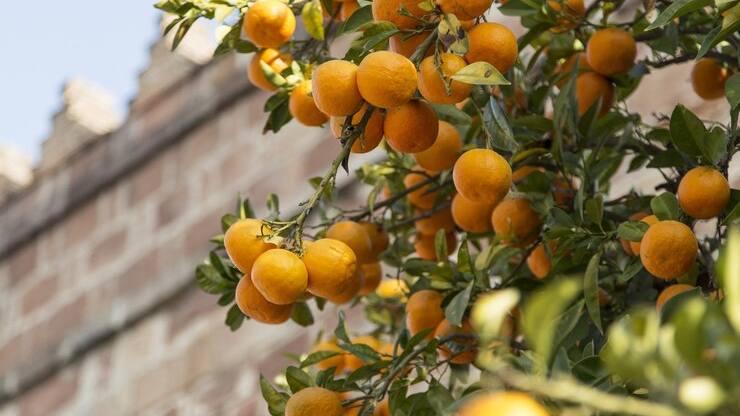
There was a time when orange juice was simply another breakfast staple. It arrived in a carton, a bottle or, at best a chilled dispenser. Guests drank it without a second thought, and few questioned where it came from or how it had been made.
Today, all that has changed.
Across luxury hospitality, breakfast has quietly become one of the most important opportunities to shape a guest’s perception of quality. Before they’ve checked into the spa, ordered room service or enjoyed dinner in the restaurant, they’ve already formed an impression, often within the first few minutes of entering the breakfast room.
The coffee is freshly ground. Bread is baked that morning. Eggs are cooked to order. Local honey, artisan preserves and seasonal fruit have become hallmarks of thoughtful hospitality.
“Orange juice is undergoing the same transformation. Increasingly, guests expect to see fresh fruit being pressed before their eyes rather than juice poured from a bottle. What was once considered a commodity is becoming a visible symbol of freshness, provenance and care.”
Behind that seemingly simple glass of orange juice lies an international agricultural story that is becoming more complex every year.
A changing world of oranges
The global citrus industry is experiencing one of its most significant periods of change in decades.
Brazil remains the world’s largest producer of oranges for juice processing, but years of pressure from citrus greening disease, changing weather patterns and lower yields have reduced production and tightened supplies. Florida, once synonymous with orange juice, has seen its industry dramatically reduced over the past two decades by the same disease, alongside repeated hurricanes and declining acreage.
Meanwhile, other producing nations are becoming increasingly important. Egypt has emerged as one of the world’s leading exporters of fresh oranges, supplying premium Valencia fruit across Europe, the Middle East and Asia during key seasonal windows. Spain continues to set the benchmark for premium Mediterranean citrus, prized for its flavour and consistency, while South Africa plays a critical counter-seasonal role in the global citrus calendar, supplying fresh oranges from early winter through to the Northern Hemisphere summer months … bridging the transition between Mediterranean and North African harvests..
This diversity of origin is becoming increasingly significant.
“Rather than relying on one region or one growing season, experienced suppliers now follow the global harvest, sourcing fruit where it is naturally at its best.”
Why seasonality matters again
For many years, global supply chains gave the impression that every ingredient was available all year round, with little noticeable difference in quality. Fresh oranges remind us that agriculture doesn’t work like that.
Every producing region has its own rhythm. Climate, rainfall, soil conditions and harvest timing all influence flavour, sweetness, acidity and juice content. A Valencia orange harvested at the peak of its season in Egypt will offer a very different eating and juicing experience from fruit nearing the end of another region’s harvest.
Understanding these natural cycles allows hospitality businesses to serve fruit when it is genuinely at its best, rather than simply when it is available.
This is no different from selecting the first English asparagus in spring, choosing heritage tomatoes in late summer or celebrating the arrival of Beaujolais each autumn.
“Seasonality has become part of the luxury dining experience, and fresh juice deserves to be viewed through the same lens.”
The growing challenge of citrus greening
No discussion about the future of oranges can ignore citrus greening disease, also known as
Huanglongbing (HLB). Widely regarded as the most destructive disease affecting citrus production currently, it has fundamentally altered the economics of orange growing in several major producing regions.
Infected trees produce smaller, misshapen fruit with lower juice yields before eventually becoming unproductive. There is, at present, no commercially viable cure. Replanting orchards is possible, but new trees take years before reaching full production.
For growers, this represents a long-term challenge rather than a short-term disruption.
For hospitality operators, it reinforces the importance of working with suppliers who understand both seasonal availability and the wider agricultural landscape.
Fresh juice follows a different supply chain
The orange juice market is often discussed as though it were one industry.
In reality, there are two distinct supply chains. The first revolves around concentrate: fruit is processed, evaporated, transported, stored, blended and eventually reconstituted before reaching the consumer. It is efficient and globally traded, but it is also exposed to commodity pricing, manufacturing capacity and international logistics.
The second is remarkably simple. Fresh fruit is harvested, transported and pressed shortly before it is served.
While fresh oranges remain subject to agricultural realities such as weather, harvest timing and export demand, freshly squeezed juice avoids many of the additional variables associated with industrial processing. There are no blending facilities, no concentrate inventories and no lengthy manufacturing chain between orange grove and breakfast table.
“For luxury hotels, this is most visible at breakfast, where the sourcing of fresh juice has become a subtle but powerful marker of quality.”
Provenance is becoming the new luxury
Guests increasingly want to know where their food comes from. Coffee menus describe origin and altitude. Wine lists celebrate vineyards and vintages. Artisan butter, single-origin chocolate and locally produced honey all tell stories that enrich the guest experience.
Fresh orange juice deserves the same attention.
Knowing whether today’s oranges come from Valencia, Andalusia, the Nile Delta or the Eastern Cape isn’t simply a logistical detail. It reflects an understanding that exceptional hospitality begins long before the guest arrives.
The finest hotels no longer think in terms of commodities. They think in terms of ingredients.
Looking beyond the breakfast buffet
Freshly squeezed juice is no longer just another beverage. It has become part of a wider movement towards authenticity, transparency and craftsmanship in luxury hospitality.
Guests notice freshness. They appreciate theatre. They value provenance. Increasingly, they expect every element of the breakfast experience to reflect the same standards of quality they encounter throughout the rest of their stay.
Without doubt, the global orange market will continue to evolve. Climate change, disease pressure, shifting consumer expectations and changing agricultural patterns will all shape the years ahead. Luxury hospitality cannot control these forces. What it can control is how it responds: the relationships it builds, the ingredients it chooses, and the consistency of the experiences it delivers.
And sometimes, that response begins with something as simple as an orange. In luxury hospitality, even the smallest details are often the ones guests remember longest.