
Five Luxury Hotels Opening in London 2026 and What They Mean for the UK Market
London’s luxury hotel landscape is shifting. Five major properties opening in 2026 are redefining what premium hospitality looks like. Here is what each opening means for the city and what they are asking from their partners.
Six Senses has built its reputation on hyper-local sustainability. London is no exception. The property is opening with a mission to embed sustainability into every guest interaction. That starts at breakfast. F&B partners need to understand that sourcing is not just about quality. It is about being able to explain to a guest where their orange juice came from this morning. This is a hotel that will ask about supply chain transparency. It is a hotel that will care about packaging, waste, and the story behind the food on the table.
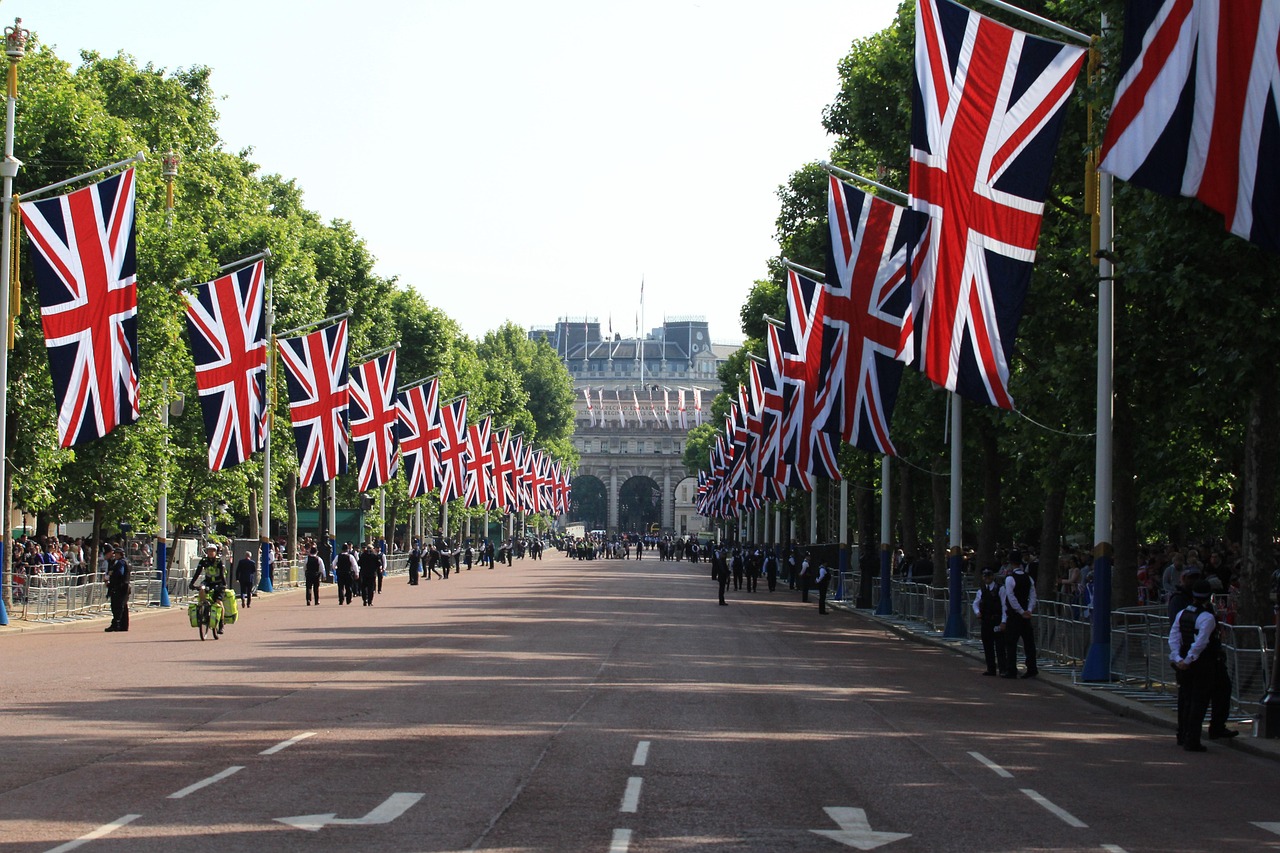
This is a heritage reboot in one of London’s most iconic locations. The Waldorf Astoria brand is positioning this property as the pinnacle of luxury service. That means hospitality partners need to be at the top of their game. When a five-star property opens under the Waldorf Astoria name at Admiralty Arch, expectations are not just high. They are elevated. F&B service needs to be seamless. The quality needs to be unquestionable. This is a property that will not compromise on reliability or professionalism.
St. Regis is known for elevating guest experience through curated detail. F&B is a core part of that positioning. A St. Regis hotel is expected to excel at breakfast service. That means fresh ingredients, thoughtful execution, and consistency. The brand does not settle for average on anything. Guests choose St. Regis because they trust the experience to be refined. Partners need to understand that trust is the currency here. Reliability, quality, and a deep understanding of what premium service looks like.
Auberge is emerging as a distinct voice in luxury hospitality. The brand prioritises curated experiences and meticulous attention to detail. Cambridge House by Auberge will follow that playbook. This is a property that cares deeply about how things are done. Nothing is incidental. Everything serves the guest experience. A partner working with a property like this needs to bring expertise, reliability, and a willingness to understand that the small things matter as much as the big ones.
The Red Carnation Group has published one of London’s clearest sustainability policies. Fresh-squeezed juice is not optional. It is mandatory. The group’s commitment is to remove single-use plastic from all properties. That means any partner working with a Red Carnation hotel needs to understand that sustainability is not a nice-to-have. It is the foundation of how the property operates. This signals where the market is heading. Hotels are not just talking about sustainability anymore. They are building it into their operating model.
These five openings tell you something important about the future of London hospitality. Quality over quantity. Sustainability as table stakes, not a marketing angle. Guest experience as the real differentiator.
The hotels opening in 2026 are not building properties that compete on price. They are building properties that compete on experience and values. That changes what they ask from their partners. It is not about being cheap. It is about being excellent, reliable, and aligned with what the hotel stands for.
For F&B suppliers, this is where the market is moving. The properties with the highest standards are the ones that will define the market for the next five years. The hotels opening now are setting that standard.